

Laser Resurfacing vs Chemical Peel: Which Is Right for You?
Posted on October, 08, 2026 by Dr. Paquet in Nonsurgical,
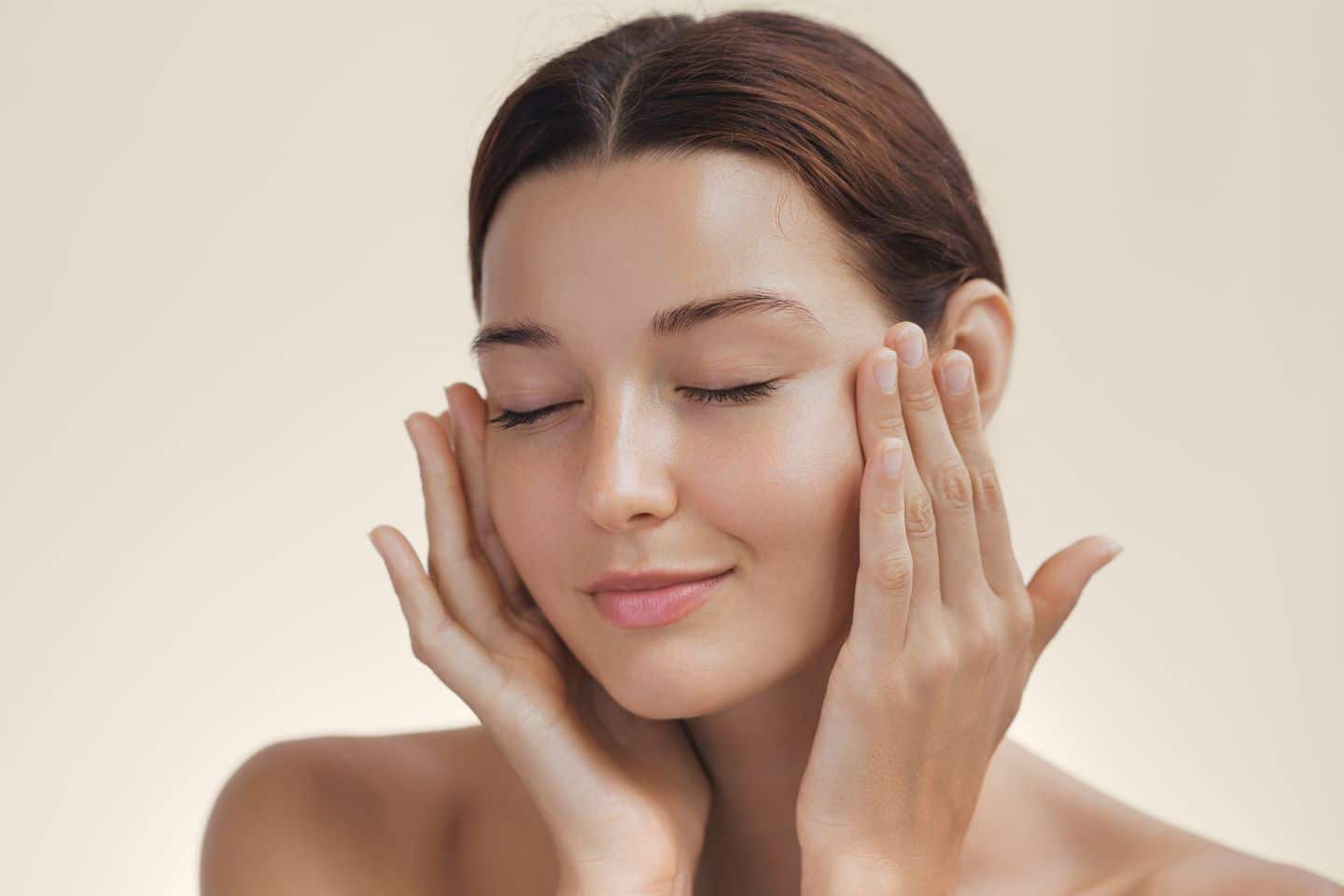
When weighing laser resurfacing vs chemical peel options, understanding the meaningful differences between these two treatments can help you make a more informed decision about your skin. Both approaches aim to address surface-level concerns such as uneven tone, fine lines, sun damage, and texture, but they work in distinct ways and suit different skin types, goals, and lifestyles.
At Paquet Facial Plastic Surgery in Phoenix, AZ, our team takes a holistic, personalized approach to every skin care consultation, helping patients identify the path that aligns with their individual needs. To begin the conversation, contact Paquet Facial Plastic Surgery to schedule a consultation.
What Is Laser Resurfacing?
Laser resurfacing uses concentrated beams of light energy to remodel the skin at a controlled depth. By delivering energy to targeted tissue, lasers stimulate the skin’s natural healing response, which may encourage new collagen production and surface renewal. Over time, the result can be a smoother, more even complexion.
Ablative vs Non-Ablative Lasers
Laser treatments are generally divided into two categories. Ablative lasers remove the outermost layers of skin, making them well-suited for more pronounced texture irregularities, deeper lines, and significant sun damage. Non-ablative lasers work beneath the surface without removing skin, offering a gentler option with shorter recovery. Fractional lasers, a subset of both categories, treat a fraction of the skin at a time, which may reduce downtime while still producing meaningful improvements. Common treatment areas include the full face, neck, chest, and hands. Results timeline and the number of sessions needed vary based on the laser type and the concerns being addressed.
What Is a Chemical Peel?
A chemical peel applies a carefully selected acid solution to the skin, prompting controlled exfoliation and cellular turnover. As the treated layers shed, it reveals fresher skin beneath. Peels are categorized by depth: superficial, medium, and deep.
Peel Depths and Their Applications
Superficial peels use mild acids such as alpha-hydroxy acids (AHAs) to gently resurface the outer layer of skin. They may reduce dullness, mild discoloration, and uneven texture with minimal downtime for most patients. Medium-depth peels, often using trichloroacetic acid (TCA), reach the upper dermis and may help address moderate sun damage, uneven pigmentation, and fine lines. Deep peels, such as phenol-based formulations, penetrate further and are typically reserved for more pronounced concerns, requiring significant recovery time. Chemical peels can be applied to the face, neck, chest, and hands.
Key Differences Between Laser Resurfacing and Chemical Peels
How Each Treatment Works
Laser resurfacing: Uses light energy to target and remodel skin tissue, stimulating collagen and resurfacing from within or at the surface depending on the laser type.
Chemical peel: Uses a topical acid solution to chemically exfoliate skin layers, encouraging cellular turnover and revealing refreshed skin beneath.
Treatment Areas
Both modalities can treat the face, neck, chest, and hands, though laser precision may allow for more targeted spot treatment.
Results Timeline
Laser resurfacing: Collagen remodeling continues for several months; initial improvement may be visible within weeks.
Chemical peel: Surface results may be visible within days to weeks after peeling resolves; deeper peels take longer to show full results.
Recovery
Ablative laser: Typically one to two weeks or more of recovery.
Non-ablative laser: Minimal downtime for most patients.
Superficial peel: Minimal downtime for most patients, with mild redness and flaking.
Medium to deep peel: Several days to two or more weeks of visible peeling and sensitivity.
Ideal Candidate Profile
Laser resurfacing may be better suited for patients with deeper lines, significant laxity, or complex texture concerns.
Chemical peels may be better suited for patients focused on pigmentation, surface dullness, or those who prefer a lower-technology entry point.
A side-by-side comparison captures the broad strokes, but the right choice often comes down to details a checklist cannot convey: your skin’s baseline health, prior treatments, lifestyle factors, tolerance for downtime, and the specific concerns you most want to address. Both options fall on a wide spectrum, and the depth, technology, and formulation matter as much as the category. A skilled provider will assess these variables together before making any recommendation.
Exploring the full range of nonsurgical cosmetic services available in Scottsdale and Phoenix can also help you understand how resurfacing fits into a broader treatment plan. To discuss which approach may align with your goals, reach out to Paquet Facial Plastic Surgery to arrange a personalized consultation.
Which Is Right for You?
Laser resurfacing may suit patients with moderate to significant skin laxity, persistent lines, acne scarring, or sun damage that hasn’t responded well to topical care. Patients who are comfortable with a longer recovery period and want longer-lasting improvement in skin texture and tone may find laser treatment a strong fit. Those with lighter skin tones generally have the widest range of laser options, though advances in laser technology have expanded candidacy for a broader range of complexions.
A chemical peel may be a better starting point for patients whose primary concerns are surface-level discoloration, mild texture irregularities, or general dullness. Peels can also complement other treatments or serve as part of a maintenance regimen. Patients who prefer a less intensive recovery or are new to professional skin treatments often find peels a well-tolerated introduction to clinical resurfacing.
At Paquet Facial Plastic Surgery, Dr. Christian Paquet’s philosophy centers on treating each patient as an individual. Rather than recommending a single modality in isolation, the team evaluates the full picture and integrates multiple approaches when appropriate. Virtual consultations are available for patients who prefer to begin the conversation remotely.
Why Choose Paquet Facial Plastic Surgery in Phoenix?
Paquet Facial Plastic Surgery is led by Dr. Christian Paquet, one of a select few plastic surgeons in the country who focus exclusively on the face and neck. His deep specialization, combined with the practice’s partnership with Biltmore Aesthetics, gives patients access to a comprehensive range of surgical and nonsurgical options under one trusted umbrella.
The Paquet Facial Plastics x Biltmore Aesthetics partnership expands the practice’s skin treatment capabilities, bringing together clinical expertise and aesthetic precision. Multiple Phoenix-area locations and virtual consultation availability make personalized care accessible. Patients choose our practice because they trust recommendations based on their individual needs, not a standardized protocol.
Frequently Asked Questions: Laser Resurfacing vs Chemical Peel
Can laser resurfacing and a chemical peel be combined in the same treatment plan?
In some cases, a provider may recommend combining modalities or sequencing them over time to address different skin concerns. For example, a lighter chemical peel might be used between laser sessions for maintenance. Whether combination treatment is appropriate depends on your skin type, goals, and tolerance for recovery. A consultation with a qualified provider is the best way to determine a personalized plan.
How do recovery times compare between laser resurfacing and a chemical peel?
Recovery depends heavily on treatment depth. Superficial chemical peels typically involve minimal downtime, with some redness and peeling resolving within a few days. Ablative laser resurfacing generally requires more significant recovery, often one to two weeks or more. Non-ablative laser treatments and lighter peels typically require shorter recovery periods. Your provider will help set realistic expectations based on the specific treatment selected.
Which treatment is better for darker skin tones?
Both laser resurfacing and chemical peels carry a higher risk of post-inflammatory hyperpigmentation in patients with deeper skin tones if not carefully matched to the individual. Certain laser wavelengths and peel formulations suit a wider range of skin tones. An experienced provider’s thorough skin assessment is essential to selecting the safest, most effective option for your specific complexion.
Take the Next Step Toward Healthier, More Refreshed Skin
Whether laser resurfacing or a chemical peel is right for your skin in Phoenix, the most important step is speaking with a provider who can evaluate your needs with precision and care. Contact us online to schedule your personalized consultation today.
Related posts
Ready to take
the first step?
Contact us today if you are ready to take the first step or have any questions! Schedule a consultation with Dr. Paquet by contacting us online or by calling us directly at 602-726-6310.
CONTACT US"*" indicates required fields

