

Acne Scars: Matching the Scar Type to the Treatment
Posted on November, 11, 2026 by Dr. Paquet in Med Spa Procedures,
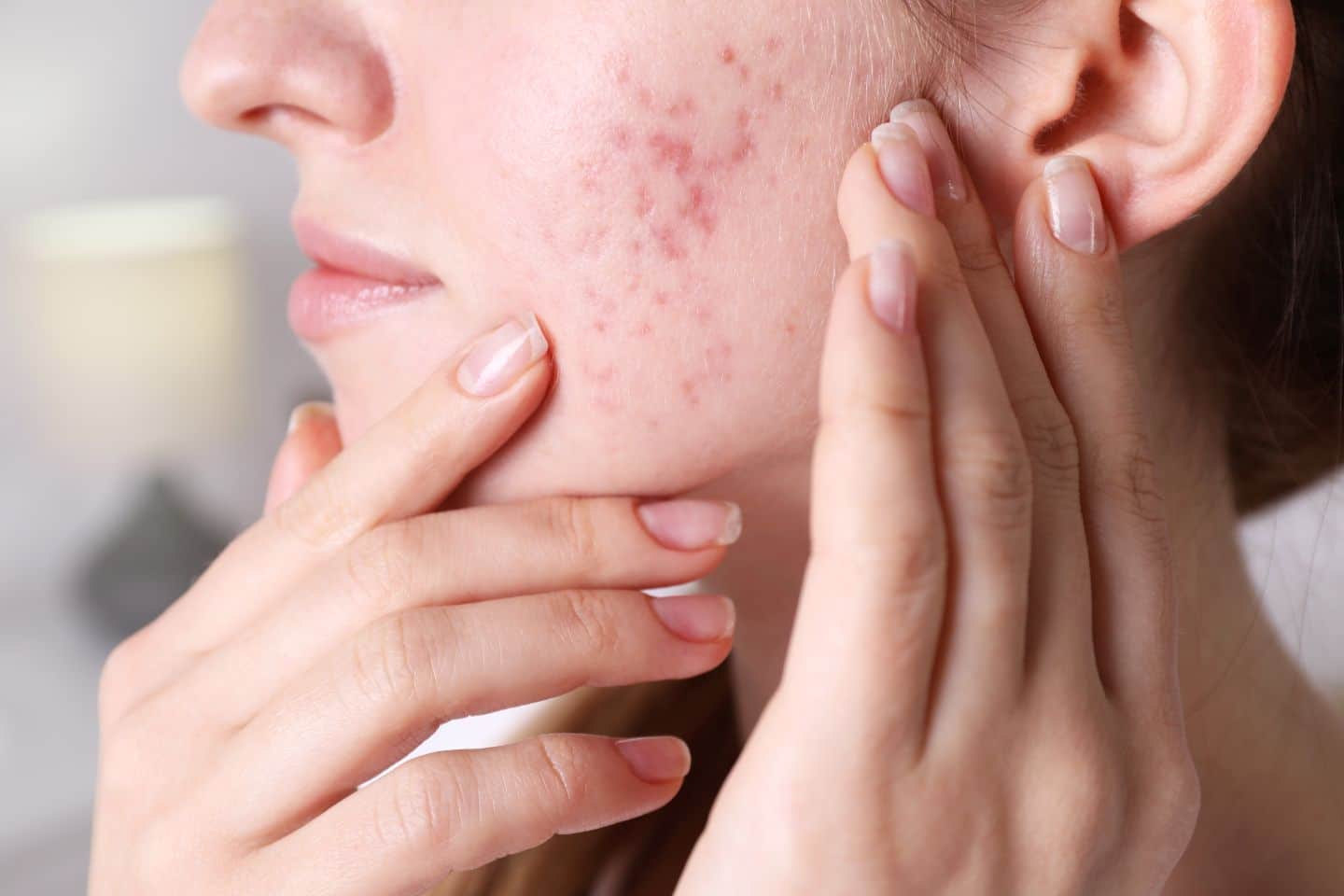
Two acne scars sitting side by side on the same cheek can need opposite treatments. A narrow, deep pit and a thick, raised bump both started as breakouts, but one is missing tissue and the other has too much. Treat them the same way and at least one of them is likely to look no better, and a raised scar can get worse. That is why the most useful question about acne scars is not which treatment is best, but which scar you actually have.
This guide sorts acne scar types and pairs each with the treatments offered at Paquet Facial Plastic Surgery in Phoenix, so you can walk into a consultation knowing what to ask.
Sunken or Raised? Sorting Your Scars First
Acne scars fall into two families. Atrophic scars are depressed scars: they sit below the surrounding skin because tissue was lost as the breakout healed. Raised scars form when the body makes too much collagen during healing.
The three depressed types
- Ice pick scars are narrow and deep, and look like tiny punctures in the skin.
- Boxcar scars are wider, with well-defined edges that create round or oval depressions.
- Rolling scars have a wavy, uneven look caused by bands of scar tissue beneath the surface.
The two raised types
- Hypertrophic scars are thick, raised areas that stay within the boundaries of the original blemish.
- Keloid scars are a more severe form that grows beyond the original lesion, a pattern sometimes called keloid formation. They are more common in people with darker skin and can be particularly challenging to treat, which makes an experienced provider especially important.
Most people have a mix: a few rolling scars along the cheeks, a scattering of ice pick scars on the temples, perhaps a raised scar along the jaw. Each of those may be handled differently. Discoloration often travels with scarring too, and if uneven color is part of what bothers you, our pages on hyperpigmentation and uneven skin tone or texture cover those concerns separately.
An Acne Scar Treatment Map, Scar by Scar
Your skin type, medical history, and the severity of your scarring all shape the plan. With that in mind, here is how each acne scar type lines up with the treatments available at the practice.
Shallow, mild scarring: chemical peels
Chemical peels remove the outer layer of dead skin cells to reveal a smoother, brighter layer beneath and encourage new collagen. Chemical peels for scars are often best for mild acne scars and for evening out blemishes.
Boxcar and rolling scars: laser resurfacing
Laser skin resurfacing removes the superficial layer of skin and stimulates collagen production. As new collagen fibers grow, the skin tightens, improving the appearance of depressed scarring. Laser resurfacing can address both superficial and deeper scars.
Moderate to severe depressed scarring: microneedling
Microneedling, also known as collagen induction therapy, uses a handheld device with many tiny needles to trigger the skin’s natural wound-healing response, including new collagen and elastin. It can be effective for moderate to severe acne scars. Our practice offers SkinPen microneedling, which involves minimal downtime.
Focal pits: dermal fillers
Some atrophic scars respond to dermal fillers, which add volume beneath a depression so it sits closer to the surrounding skin. Filler results are temporary.
Hypertrophic and keloid scars: steroid injections
Raised scars call for a different approach entirely. Steroid injections are well suited to hypertrophic and keloid scars because they curb the excess collagen that builds raised tissue. They can also calm inflamed blemishes and treat active acne cysts, which matters if you are still breaking out while addressing old scars.
Getting Your Skin Ready for the First Session
Preparation is part of the plan. Before SkinPen microneedling, for example, patients are asked to avoid exfoliating products, retinoids, and harsh active ingredients such as glycolic acid for several days ahead of the appointment. Your provider gives you instructions specific to the treatment you choose, and following them helps your skin tolerate the session well.
It also helps to arrive with a clear picture of your own history. Bring a list of the skincare products you use, any prescription acne medications you take now or have taken recently, and notes on which areas bother you most. If you are still getting active breakouts, mention it, since inflamed cysts may be treated alongside older scars. Photos of your skin in good natural light can help you track how it changes over time.
Finally, think about timing. Treatments that rebuild collagen improve the skin gradually rather than overnight, so plan around events and seasons with your provider instead of booking a single session the week before an occasion. Phoenix sun is a real factor for healing skin, so ask how to protect treated areas afterward.
When a Scar Needs a Surgeon Instead
Some scars do not respond enough to resurfacing or injections. For those, scar revision surgery is an option. Patients with acne scars, hypertrophic scars, or keloid scars may benefit from revision; in an excisional revision, the scar is surgically removed, and the skin is carefully closed with fine sutures.
Having surgical and nonsurgical care in one practice means the plan does not have to stop at whatever the clinic down the street happens to offer. Nonsurgical scar care is available through the practice’s Biltmore Aesthetics scar treatments, while surgical revision is performed by Dr. Christian Paquet, a board-certified, fellowship-trained facial plastic and reconstructive surgeon whose practice is limited to the face and neck. Many patients combine approaches, treating different scar types with different tools.
What Patients Ask About Their Scars
How do I know which type of acne scar I have?
Depressed scars sit below the surrounding skin and are usually ice pick, boxcar, or rolling scars, while raised scars are hypertrophic or keloid. Many people have more than one type. An in-person assessment is the most reliable way to identify yours, because the type determines which treatments make sense.
Can acne scars be removed completely?
Treatment aims to improve the appearance of acne scars, not to erase them. How much improvement is possible depends on the scar type, its depth, your skin, and the treatment plan, and individual results vary.
How many treatments will I need?
It depends on the treatment and the severity of scarring. Treatments that rebuild collagen, such as microneedling and laser resurfacing, generally work gradually over more than one visit. Your provider recommends a schedule after assessing your skin.
Are acne scar treatments suitable for darker skin tones?
Yes, but the choice of treatment matters. Some scar types are more common in darker skin and can be harder to treat, which is why an experienced provider should guide the plan. SkinPen microneedling is described as safe for nearly all skin types.
Have Every Scar Identified Before You Buy a Package
Buying a package of peels or laser sessions before anyone has looked closely at your scars is the most common way to spend money on the wrong treatment. A consultation lets the team identify each scar type on your skin and build a plan around it. You can request an appointment through our contact page to ask which treatment fits your scars, or read what other patients say about their care.
Related posts




Ready to take
the first step?
Contact us today if you are ready to take the first step or have any questions! Schedule a consultation with Dr. Paquet by contacting us online or by calling us directly at 602-726-6310.
CONTACT US"*" indicates required fields

